
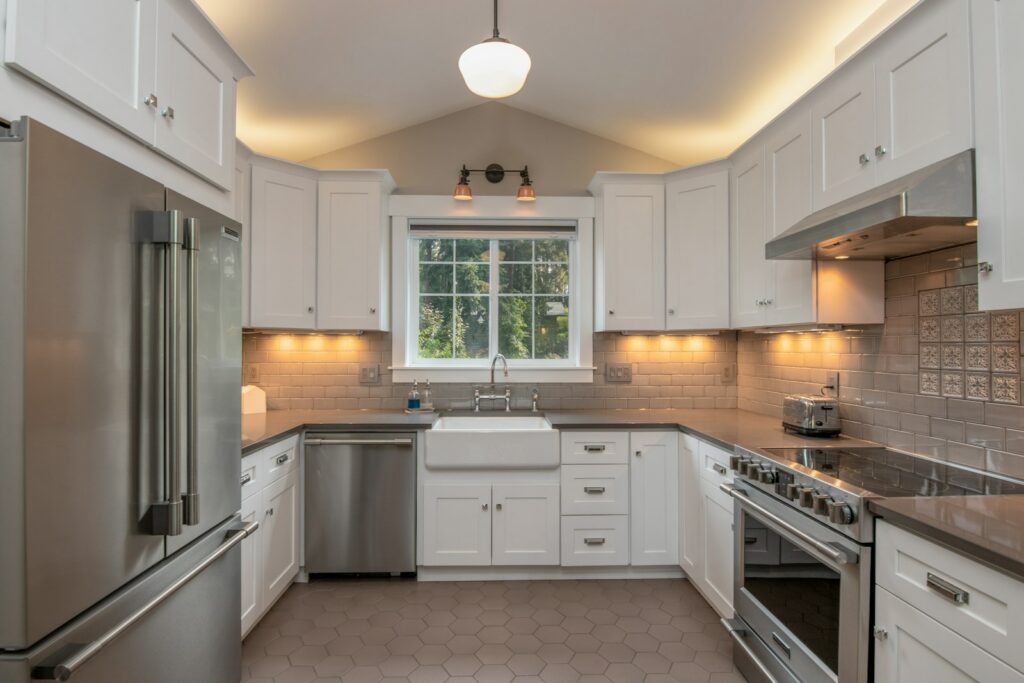
Preparing to sell your home can quickly become an expensive undertaking. What begins with plans to repaint a few rooms can escalate into discussions about replacing appliances, installing flooring and redesigning the kitchen. Before long, you could find yourself spending thousands of dollars on a property you intend to leave.
But will those improvements actually help you sell your home for more money?
In today’s housing market, buyers are weighing purchase prices against mortgage payments, insurance premiums and future maintenance expenses. Sellers must recognize that making a property more attractive and making it more financially appealing are not necessarily the same thing.
Before hiring contractors, consider where your money could have the greatest impact on your upcoming sale.
Determine Why Buyers Might Pass on Your Property
Rather than creating a renovation checklist based on everything you dislike about your home, consider what might prevent someone else from purchasing it.
Imagine a buyer touring three similarly priced properties. One has an outdated kitchen but recently replaced mechanical systems. Another has beautiful countertops but an aging roof. The third requires minimal work but offers considerably less living space.
Each property presents a different financial proposition.
Understanding how your home compares with competing listings can help you identify improvements that matter. If other properties offer similar features and conditions, extensive renovations may provide little competitive advantage. However, addressing shortcomings that competing properties do not have could improve your position.
6 Home Improvements Worth Considering Before Selling
Eliminating small distractions throughout a property can sometimes create a stronger overall impression than completely renovating one room.
1. Eliminate Visible Signs of Wear
Years of everyday living leave imperfections that homeowners eventually stop noticing. Buyers, however, are seeing everything for the first time.
Loose door handles, chipped baseboards, damaged window screens and scratched walls can collectively suggest that a property needs considerable attention.
Correcting these inexpensive issues can improve the overall presentation of your home without consuming a substantial portion of your renovation budget.
2. Make Interior Spaces Feel Brighter
Poor lighting can diminish the appeal of generously sized rooms. Dark corners, inconsistent lightbulb colors and heavy window coverings can make interior spaces appear smaller.
Replace dim bulbs, clean light fixtures and remove unnecessary window treatments. Consider repainting particularly dark rooms with colors that reflect more natural light.
These improvements can also enhance listing photographs, which frequently influence whether prospective buyers schedule showings.
3. Improve the Kitchen Without Starting Over
Before committing to a kitchen remodel, separate functional problems from aesthetic preferences.
Cabinets that open properly, countertops without significant damage and reliable appliances may not require replacement simply because they are several years old.
Consider updating cabinet hardware, repairing damaged surfaces, replacing worn fixtures and improving lighting around food preparation areas.
Some buyers would rather purchase a functional kitchen and retain money for future personalization than pay a premium for someone else’s design choices.
4. Give Bathrooms a More Maintained Appearance
Discolored sealant, dripping faucets, damaged vanity surfaces and persistent moisture problems can raise concerns that extend beyond appearance.
Address plumbing and ventilation issues first. Then consider replacing worn fixtures, refreshing painted surfaces and restoring tile grout.
Unless the bathroom has significant functional deficiencies, improving its existing features may be more financially practical than rebuilding it.
5. Address Flooring That Creates Buyer Objections
Flooring decisions should depend on condition rather than age alone. Older hardwood flooring with minor imperfections may remain attractive, while relatively new carpeting with extensive stains could become a negotiating issue.
Obtain estimates for professional cleaning, localized repairs and refinishing before deciding that replacement is necessary.
If replacement makes sense, select durable materials appropriate for the property’s price range. Premium flooring may increase your expenses without generating a comparable increase in offers.
6. Improve the Areas Buyers Encounter First
Overgrown vegetation, dirty exterior surfaces, damaged entrance fixtures and cluttered porches can influence expectations about what awaits inside.
Homeowners can improve these areas through routine landscaping, exterior cleaning and minor entrance repairs. Condo owners can concentrate on their front entrance, windows and permitted outdoor living spaces.
The objective is to create an inviting arrival without investing heavily in features that contribute little to the property’s market value.
Which Repairs Should Take Priority Over Renovations?
A home can look impressive during a showing and still encounter problems before closing. Inspectors, lenders and insurance companies may identify concerns that cosmetic improvements cannot resolve.
Depending on your property’s condition, consider evaluating its roof, electrical system, plumbing, heating and cooling equipment, drainage and potential moisture problems.
These components deserve attention because they can influence the cost and feasibility of purchasing the property.
Sellers do not necessarily need to replace every aging system. Instead, obtain professional assessments where appropriate and determine how existing conditions should influence your pricing and negotiating strategy.
When Does Renovating Before Selling Become a Bad Investment?
Consider a homeowner who expects a $30,000 renovation to increase their selling price by $35,000. On paper, that appears profitable. However, additional ownership expenses, construction delays and unexpected contractor charges could consume the anticipated gain.
Before approving an expensive renovation, ask yourself:
- What could my property realistically sell for without renovations?
- What have comparable renovated properties sold for?
- How long will construction delay my listing?
- Could renovation expenses exceed the original estimate?
- Would a pricing adjustment accomplish the same objective?
Luxury kitchen remodels, swimming pool installations, room additions and highly customized upgrades deserve particularly careful consideration.
A renovation should serve a measurable financial purpose rather than simply make the property look more expensive.
Should You Renovate Your Condo Before Selling?
Condo sellers must consider factors extending beyond their individual units.
Association fees, upcoming assessments, building maintenance, insurance coverage and mortgage eligibility can influence purchasing decisions regardless of how attractive a condo’s interior may be.
Before investing in substantial improvements, examine recent sales within your community. Determine whether renovated units consistently command enough of a premium to justify the expense.
Review association requirements concerning construction, contractor access and permitted modifications. These restrictions could increase renovation costs or delay your listing.
Could Seller Concessions Be More Effective Than Renovations?
Helping buyers overcome financial obstacles could accomplish more than upgrading your property.
A buyer struggling to cover upfront purchasing expenses may place greater value on an allowable closing cost contribution than newly installed kitchen cabinets.
Sellers can also explore negotiated repair credits, price adjustments or contributions toward eligible mortgage rate buydowns, depending on lender requirements.
Unlike renovations completed before listing, negotiated concessions allow sellers to direct money toward addressing the specific concerns of an interested buyer.
Should Buyers Consider Homes That Need Renovations?
Buyers should avoid automatically dismissing properties that lack contemporary finishes. A dated interior could create an opportunity to purchase a home in a desirable location without paying a premium for recent remodeling.
However, purchasing a property that needs work requires realistic financial planning.
Obtain contractor estimates, investigate permitting requirements and maintain funds for unexpected expenses. Consider whether improvements can be completed gradually rather than immediately after closing.
A property’s layout, location and long-term ownership costs may ultimately matter more than its current appearance.
Develop a Renovation Strategy Before Listing Your Home
The best time to consult a real estate agent is before spending money preparing your property for the market.
An experienced agent can evaluate competing listings, recent sales, buyer expectations and the potential financial benefits of specific improvements.
Whether you are preparing to sell your house, listing your condo or searching for a property with renovation potential, informed decisions can help you avoid unnecessary expenses.
Contact us today to discuss your real estate goals, discover what your property could be worth and explore your opportunities in today’s housing market.
Photo by Clay Elliot on Unsplash