
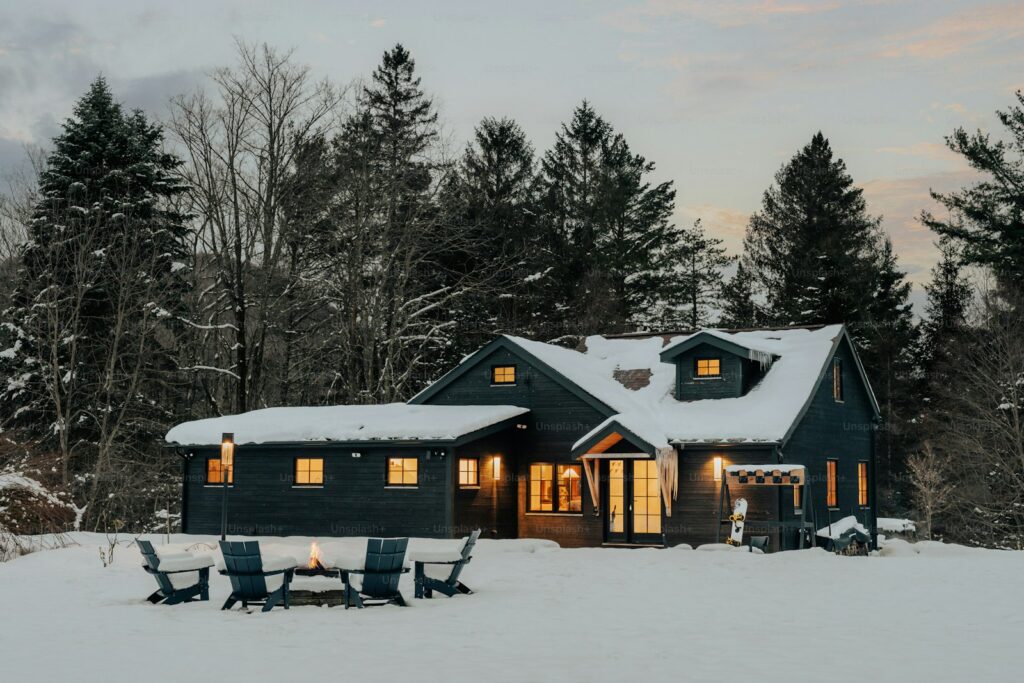
Selling your home in winter requires a different approach than listing during the traditionally busier spring and summer months. However, colder weather does not necessarily mean fewer opportunities to secure a favorable offer.
Today’s buyers are increasingly selective about where they spend their money. Mortgage expenses, insurance premiums, property taxes and maintenance costs influence purchasing decisions. Sellers must recognize these concerns and position their properties accordingly.
Rather than relying on traditional seasonal selling advice, homeowners should concentrate on making their properties financially attractive, accessible and competitive. Here are eight strategies for selling your home or condo during the winter.
1. Establish Your Price Based on Today’s Competition
Previous neighborhood sales provide useful information, but your immediate competition consists of properties buyers can purchase today.
Before establishing your asking price, examine comparable listings and consider what makes your property more or less attractive. Evaluate recent price reductions, property conditions, available amenities and anticipated ownership expenses.
A neighboring homeowner’s asking price does not necessarily reflect what their property is worth or what someone will eventually pay.
Develop a pricing strategy with your real estate agent that includes scheduled performance reviews. If your property receives considerable online attention but generates few appointments or offers, investigate what might be discouraging buyers.
Recognizing pricing problems early can prevent your listing from spending unnecessary months on the market.
2. Eliminate Concerns About Immediate Repairs
Many buyers have limited money available for home improvements after covering their down payment and closing expenses. Properties requiring immediate attention may therefore struggle to compete against better-maintained alternatives.
Before listing your home, examine areas where winter conditions could expose maintenance problems.
Consider addressing the following:
- Damaged weatherstripping around windows and doors.
- Inconsistent indoor temperatures.
- Heating equipment requiring maintenance.
- Damaged flooring or deteriorating paint.
- Leaking faucets and plumbing fixtures.
- Drainage problems around the property.
You do not necessarily need to undertake expensive renovations. Correcting smaller maintenance issues can help prevent buyers from developing concerns about larger, potentially hidden problems.
For significant repairs, obtain professional estimates and discuss whether completing the work or negotiating a seller concession makes financial sense. Disclose known defects as required.
3. Help Buyers Understand Monthly Ownership Expenses
Two properties with identical asking prices can have considerably different ownership costs. Helping prospective buyers understand these expenses could give your listing a competitive advantage.
Gather information about your property’s energy consumption, equipment maintenance, recent improvements and other recurring expenses.
If you have installed energy-efficient appliances, upgraded insulation or replaced aging heating equipment, explain how these improvements could benefit future occupants.
Condo sellers should also prepare information about association fees, included services, reserve funding, building insurance and potential special assessments.
Although buyers will need to obtain their own insurance quotes and calculate individual expenses, providing relevant documentation allows them to make more informed comparisons.
Financial transparency can also reduce the likelihood of unexpected discoveries interrupting negotiations later.
4. Showcase Your Property Beyond Its Winter Appearance
Dormant landscaping, cloudy skies and shorter daylight hours can make attractive properties appear less appealing during winter.
Schedule professional photography when weather conditions and natural lighting are favorable. Clean windows, remove unnecessary furnishings and improve lighting throughout the property.
Outside, maintain clean entrances, organized patios and accessible walkways. Homeowners in colder regions should remove snow and ice before scheduled appointments.
Consider supplementing your listing with photographs taken during warmer months. Images of flowering gardens, swimming pools and outdoor entertainment spaces can help buyers appreciate features that may not look their best during winter.
Clearly identify seasonal photographs and ensure they accurately represent existing property features.
Your marketing should communicate what living in the property could offer throughout the entire year.
5. Give Your Online Listing More Substance
Buyers frequently dismiss properties online before contacting a real estate agent. Limited photographs and vague descriptions can prevent otherwise suitable homes from receiving consideration.
Instead of filling your listing with promotional language, provide information that answers practical questions about the property.
An effective digital marketing strategy could incorporate:
- Detailed floor plans and room measurements.
- Video walkthroughs showing the property’s layout.
- Information about parking and storage.
- Descriptions of recent upgrades.
- Details about community amenities.
- Virtual appointments for out-of-town buyers.
Discuss additional promotional opportunities with your real estate agent, including social media marketing, email campaigns and digital advertising.
Winter buyers may have fewer opportunities to visit properties in person. Giving them more information online can help generate better-qualified inquiries and more productive showings.
6. Explore Alternatives to Traditional Price Reductions
Lowering your asking price is one way to attract additional interest, but it may not address the specific financial challenges preventing someone from purchasing your home.
Some buyers can comfortably manage monthly mortgage payments but struggle to accumulate sufficient savings for closing expenses. Others may need assistance reducing their initial borrowing costs.
Depending on financing requirements, sellers could consider contributing toward eligible closing costs, approved mortgage rate buydowns or negotiated repairs.
A financial incentive that addresses a buyer’s immediate concerns may prove more effective than an equivalent reduction in the asking price.
Review these options with your real estate agent and confirm applicable lender restrictions before advertising incentives. Compare how each arrangement would affect your proceeds.
Remember that concessions cannot always overcome an unrealistic asking price.
7. Make Property Showings More Convenient
Holiday celebrations, family commitments, unpredictable weather and limited daylight can complicate winter house hunting.
Restricting property showings to narrow appointment windows may encourage interested buyers to explore other listings instead.
Offer flexible scheduling whenever possible, including evenings and weekends. Keep exterior lighting operational, maintain comfortable indoor temperatures and ensure visitors can safely access the property.
Virtual showings can also accommodate buyers relocating from other regions or searching for seasonal residences.
If your property is occupied, establish a simple preparation routine that allows you to accommodate appointments without creating unnecessary household disruptions.
Every reasonable opportunity to show your property increases the possibility of connecting with someone whose housing needs match what you are selling.
8. Calculate What Waiting Until Spring Could Cost You
Homeowners sometimes postpone selling because they expect stronger demand during spring. However, waiting introduces additional expenses and uncertainty.
Calculate your monthly mortgage interest, insurance premiums, property taxes, utilities, maintenance expenses and applicable association fees.
If your nonrecoverable ownership expenses total $2,000 monthly, delaying your sale for four months could cost approximately $8,000.
Your eventual selling price would need to compensate for those additional expenses before waiting becomes financially beneficial, assuming other costs remain unchanged.
Spring could also introduce additional competing properties without producing a corresponding increase in buyer demand.
Discuss both selling scenarios with your real estate agent rather than assuming warmer weather will automatically deliver better financial results.
Is Winter a Good Time to Buy a Home or Condo?
Winter can present negotiating opportunities for buyers, particularly when properties have remained available for extended periods.
Sellers may consider reasonable offers, financial concessions or flexible closing arrangements to complete a transaction.
However, buyers should investigate why a property has not sold. Extended listing periods could indicate unrealistic pricing, maintenance concerns or financing complications.
Evaluate comparable sales, inspection findings and projected ownership expenses before determining whether a property represents genuine value.
Make Your Next Real Estate Move This Winter
The calendar should not dictate your real estate decisions. Your financial circumstances, housing requirements and local market conditions deserve greater consideration.
Whether you are selling your current residence, purchasing your first condo, downsizing or exploring investment opportunities, our real estate team can help you navigate today’s housing market.
Contact us today to discuss your goals, evaluate your options and develop a personalized strategy for buying or selling your home this winter.
Photo by Clay Banks on Unsplash