
Buying a home is a major decision, but the amount of time buyers actually spend inside a property before deciding whether they’re interested can be surprisingly short.
Sometimes you have 45 minutes to explore. Other times, you’re touring six properties in one afternoon and have about 15 minutes in each one.
That creates a challenge.
How do you determine whether a home or condo deserves serious consideration when you barely have enough time to walk through every room?
The answer is to stop trying to evaluate everything.
Your first showing isn’t supposed to tell you everything there is to know about a property. It should help you decide whether the home fits your needs well enough to justify taking the next step.
If you only have 15 minutes, here’s where that time should go.
First, Forget About the Seller’s Stuff
One of the easiest mistakes buyers make is evaluating the presentation instead of the property.
That beautifully decorated living room isn’t included.
Neither is the perfectly positioned dining table, artwork or expensive-looking bedroom furniture.
Try mentally replacing everything you see with your belongings.
Would your furniture fit? Is there enough storage? Does the kitchen have enough usable workspace? Can you comfortably move between rooms?
Now reverse the situation.
Maybe the house is cluttered, the furniture is outdated and the paint colors are terrible. None of those things necessarily make it a bad home.
A buyer who can separate the property from its presentation may notice opportunities that other buyers overlook.
Look at What Would Be Difficult to Change
Almost every home has something you won’t like.
The important question is whether you can change it.
Ugly paint? Easy.
Outdated light fixtures? Usually manageable.
A bedroom that’s too small for your furniture? Much harder.
Noisy traffic behind the house? You’re probably stuck with it.
During a short showing, concentrate on characteristics that would be expensive, complicated or impossible to change.
Consider the home’s location, room sizes, general floor plan, parking, outdoor space, privacy and surrounding properties.
Don’t let an easily replaceable feature become more important than something you’ll have to live with every day.
Spend Time in the Kitchen Without Admiring the Kitchen
Kitchens sell houses, but attractive kitchens can also distract buyers.
Instead of focusing entirely on countertops and appliances, imagine preparing a normal meal.
Where does the food go when you take it out of the refrigerator?
Is there enough counter space?
Can someone open the refrigerator while another person is cooking?
Is there adequate storage?
Where will the trash can go?
These aren’t glamorous questions, but they’re the type you’ll care about six months after moving in.
A kitchen can photograph beautifully and still be frustrating to use.
Look for Evidence, Not Explanations
You’re walking through the hallway and notice discoloration on the ceiling.
What happened?
Maybe there was an old leak that was professionally repaired. Maybe somebody spilled something upstairs years ago. Maybe there’s an active problem.
You don’t know.
That’s precisely the point.
During an initial showing, don’t diagnose problems. Identify them.
Watch for unusual staining, damaged flooring, cracks, peeling surfaces, musty odors, areas that appear freshly repaired and visible signs of water intrusion.
Then ask questions.
If you remain interested in the property, concerns can be investigated further during the appropriate due-diligence process.
Don’t Forget the Boring Expensive Things
Most buyers aren’t going to walk into a house and get excited about the water heater.
Unfortunately, water heaters, roofs, electrical components and air-conditioning systems can be far more important to your budget than some of the features that initially attracted you to the listing.
Ask what is known about the age of major components.
If something appears old, that doesn’t necessarily mean you should walk away. It means you should understand what you’re potentially buying.
There’s an enormous difference between saying, “This house has an old air conditioner, so I don’t want it,” and saying, “The air conditioner may need replacement in the near future, so I need to consider that potential expense.”
Today’s buyers need to think beyond the purchase price.
The cost of owning the property matters too.
Stand Still for 30 Seconds
This might be the most overlooked part of a home tour.
Stop walking.
Don’t talk.
Listen.
What can you hear?
Traffic? Neighbors? Construction? Dogs? An elevator? People walking upstairs?
Then look through the windows.
What will you actually see every morning?
Privacy can look completely different from inside the home than it did in the listing photos.
While you’re standing there, check your phone. A weak cellular signal might not eliminate a property from consideration, but it’s something you’d probably rather discover before moving in.
Open the Closets
Storage isn’t exciting until you don’t have enough of it.
A home may look spacious because everything has been carefully staged, but where will your actual possessions go?
Look at bedroom closets, kitchen storage, linen space and any garage or utility storage.
Think about the things you already own rather than the possessions shown inside the home.
This is particularly important when comparing condos where storage options can vary dramatically from one building or unit to another.
Buying a Condo? You’re Touring More Than the Unit
A condo showing shouldn’t begin and end at the front door.
Take a look around the building.
Consider the parking situation, elevators, hallways, entrances, amenities and common areas.
Then start asking questions about the association.
What are the monthly fees? What expenses are included? Are there restrictions that could affect you? Have significant building projects recently been completed or discussed? Are there assessments buyers should know about?
Some of the most important information about a condo can’t be discovered by walking around the unit.
That’s why reviewing available association information and relevant documents can become an important part of evaluating the purchase.
Think About Your Regular Tuesday
Buyers frequently imagine special occasions when touring homes.
Thanksgiving dinner around the table.
Friends hanging out by the pool.
Family visiting for the weekend.
That’s fun, but most of your time in the home won’t look like that.
Imagine a completely ordinary Tuesday instead.
You wake up. Get ready for work. Make breakfast. Take the dog outside. Bring groceries inside. Do laundry. Cook dinner. Watch television. Go to bed.
Does the home make those ordinary activities easy?
A property doesn’t just need to impress you during a showing. It needs to function when real life begins.
Before Leaving, Ask Yourself Five Questions
When your 15 minutes are almost over, stop trying to absorb new information and evaluate what you’ve already seen.
Ask yourself:
- What did I like that I can’t easily find elsewhere?
- What bothered me that I cannot easily change?
- What potential expenses did I notice?
- What questions haven’t been answered?
- Do I know enough to want a second look?
Notice that none of those questions is, “Is this my dream home?”
You don’t have to make that decision yet.
Sellers Should Think About the 15-Minute Tour Too
This approach isn’t only useful for buyers.
Sellers should understand how quickly buyers may evaluate their property.
If someone has several homes scheduled that afternoon, you may have a limited window to communicate why yours deserves additional consideration.
Make important areas accessible. Reduce unnecessary clutter. Address obvious maintenance issues where appropriate. If you’ve completed meaningful improvements, make sure buyers can obtain accurate information about them.
Most importantly, don’t assume buyers will overlook unanswered questions simply because the property looks attractive.
In a more challenging real estate market, buyers may scrutinize value, condition and future ownership expenses more carefully.
Providing useful information can be just as important as creating a great first impression.
A Short Showing Doesn’t Have to Be a Rushed Decision
Fifteen minutes isn’t enough time to fully understand a home or condo.
It doesn’t need to be.
The purpose of that first visit is to determine whether the property deserves more of your time.
Look beyond decorations. Think about daily life. Notice things that are difficult to change. Identify questions instead of trying to answer everything yourself. Consider potential ownership expenses instead of focusing exclusively on the asking price.
And if you’re interested when those 15 minutes are over, that’s when you start digging deeper.
Today’s real estate market can require buyers to make decisions efficiently, but efficiency shouldn’t mean guessing. With the right approach and guidance from a knowledgeable real estate professional, even a short home tour can help you determine whether it’s time to move on—or time to take a much closer look.
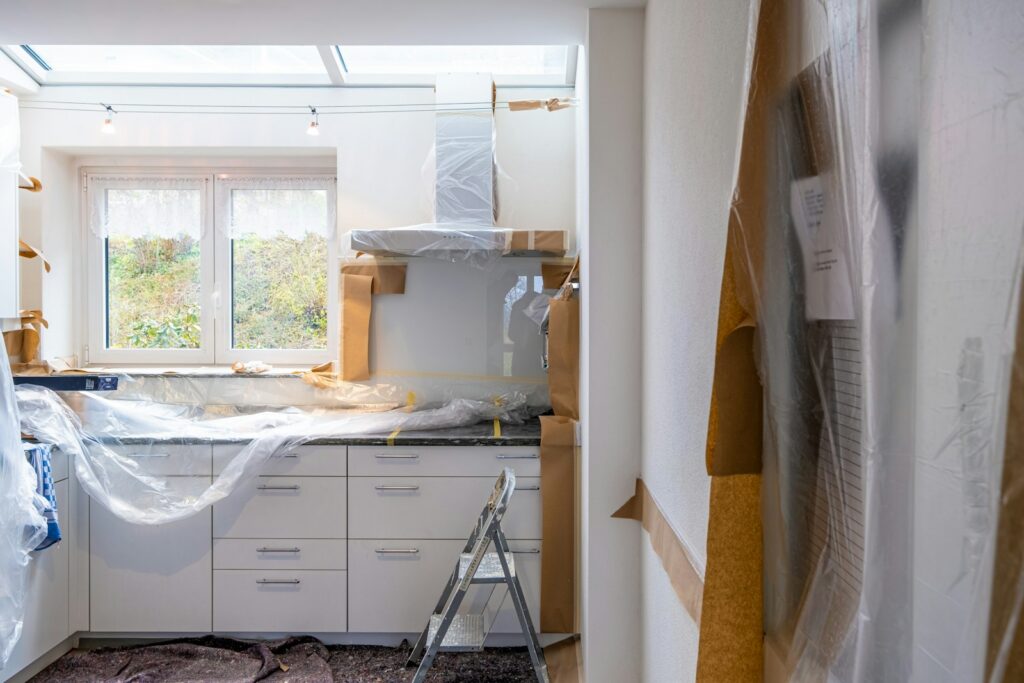
Photo by Frames For Your Heart on Unsplash